The short version, by scenario
| Question | What to do |
|---|---|
| Can I wash the duvet with the cover on? | No — separate them first. The cover is the washable barrier; the insert stays inside it precisely so it doesn't need washing |
| How often to wash the cover? | Every 1–2 weeks, same as sheets |
| How often to wash the insert? | Every 3–6 months, or per its own care tag |
| Water temperature | Cold for microfiber and most printed covers; warm for cotton and linen if the tag allows |
| Cycle | Normal or gentle. Never the heavy-duty/agitate-hard setting |
| Drying | Tumble dry low, remove promptly. Line drying is fine and gentler |
| Close the closure first? | Yes — always. Zip or button before it goes in |
| Bleach | No. It yellows polyester and weakens cotton and linen fibers |
| Fabric softener | Skip it. It coats fibers and reduces breathability over time |
Quick answer: Take the cover off the insert, wash it alone (or with one or two light items) in cold or warm water on a normal-to-gentle cycle, and tumble dry on low, pulling it out slightly damp. Wash the duvet insert separately, and far less often — twice a year is plenty for most people. The single biggest mistake is washing the cover with the insert still inside, which turns your machine into a tangled, half-rinsed mess.

- ULTRA SOFT COMFORT: Crafted from premium 100 GSM fabric and finished with our signature brushing process for a remarkably soft, lived-in feel
- WHAT'S INCLUDED: Duvet Cover Set Queen contains 1 Queen Duvet Cover (90" x 90") and 2 Standard Pillow Shams (26" x 20"). Please note that this duvet cover set does not include a
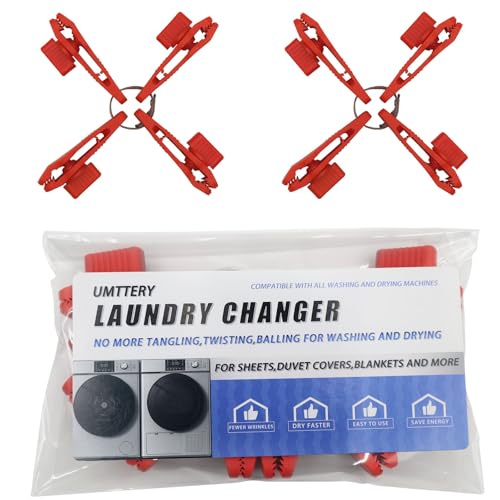
- 【Make Laundry Easier】: Umttery Heavy-duty Bed
- 【Versatile to Use】: Umttery Heavy-duty Bed Sheet Detangler is designed for thick fabric items laundry, like duvet covers/blankets/quilts/rugs, also it is useful for common flat
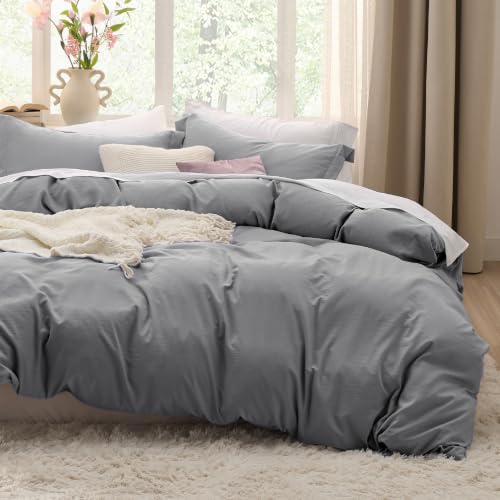
- Extra Soft: Featuring premium polyester microfiber material, this prewashed duvet cover set offers exceptional softness so you can enjoy a deep night's sleep. Smooth and
- Lightweight: Crafted to maintain the perfect balance between weight and warmth. Ideal for usage all year round
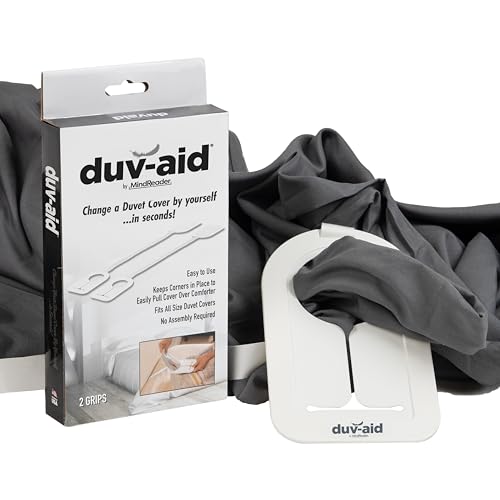
- Simplifies the process of changing your duvet cover solo in moments, eliminating any struggle
- Secures your duvet and cover at the head of your bed, preventing any movement as you adjust the cover to the bed's foot
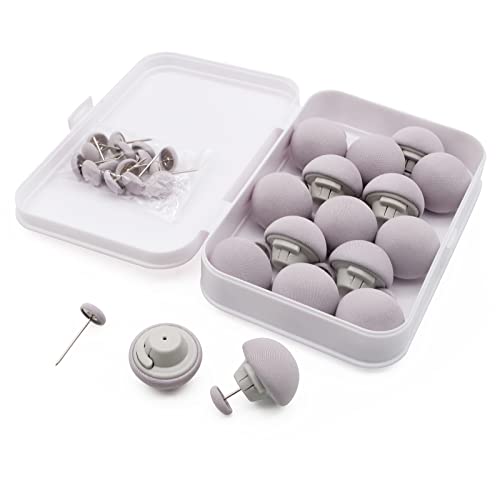
- 【Package Include】: You will receive 16 sets of Duvet Cover Clips : 16 x Mushroom Buttons, 16 x Long Nails. Long nails can be applied to thick fabrics such as spring, autumn and
- 【Simple to Use】: You only need to pass the needle through the quilt and put the nail in the round hole on the other end to fix it. When you want to remove it, you can press the

- [MODERN SEERSUCKER DESIGN] Are you tired of smooth, plain duvet covers without design sense? Now our designers have been studying for a long time and designed a seersucker fabric
- [THICKER WASHED MICROFIBER] This seersucker fabric is made of high strength and thickened washed microfiber material, which is 40% more durable than ordinary materials and 20%
The actual method, step by step
1. Unbutton or unzip and pull the insert out. If your cover has corner ties, untie them first or you'll stretch the loops. Turning the cover inside out as you pull the insert free is the fastest way to do this.
2. Shake it out. Duvet covers collect an astonishing amount of debris in the bottom corners — hair, tissue fragments, a sock. Get it out before it goes in the machine.
The best how to wash duvet cover for your situation depends on how you plan to use it and where.
3. Fasten the closure. This is the step everyone skips. An open duvet cover in a washer becomes a parachute that swallows every other item in the load. Bare Home's care guidance on the Bare Home Duvet Cover Set 1800 Ultra-Soft (Queen, White) says this outright: ensure the closure is fastened before washing. That is the correct instruction for every duvet cover ever made, regardless of brand.
4. Wash it alone or nearly alone. A queen cover already fills most residential washers. Cramming in towels means nothing gets properly agitated or rinsed. If you're combining, use pillowcases and shams from the same set.
5. Cold water, mild detergent, and use less than you think. Detergent residue is the main cause of that stiff, slightly grabby feel in bedding that's been washed dozens of times. Half a dose is usually plenty for a single lightweight item.
6. Tumble dry low and get it out early. Heat is what kills duvet covers — it shrinks cotton, pills microfiber, and cooks in wrinkles. Bare Home specifies tumble dry low and remove promptly to prevent a wrinkled texture. Pulling the cover out while it's still faintly damp and shaking it over the bed to finish air-drying gives you a noticeably smoother result than running the cycle to bone dry.
The tangling problem, and what to do about it
Large flat bedding rolls itself into a rope in the drum. The rope traps a dry core that never gets clean and never gets dry, so you run the dryer twice and the fabric takes double the heat damage.
Pausing the machine mid-cycle to untwist the cover works and costs nothing. If you're doing this every week and hate it, the Heavy-duty Bed Sheet Detangler, Keep Heavy Duvet Covers/Blankets/Quilts/Rugs from Tangling, Twisting & Balling in Washer and Dryer, 2 pcs from umttery is a $16.99 two-piece set of clips that you attach to the four corners of the bedding before washing and drying. It's rated for front load and top load washers and, per the listing, for every wash temperature and cycle. The listing also notes that using it with common flat and fitted sheets may make some noise during laundry — worth knowing before you run it overnight.
Washing a linen duvet cover
Linen is the one fabric where the rules shift. Wash in cool or lukewarm water on gentle, never hot. Skip fabric softener entirely — linen softens through use and washing, and softener just coats it. Dry on low and pull it out damp; over-drying linen is what makes it feel crunchy and board-like. And accept the wrinkles. Rumpled is what linen is supposed to look like.
Washing the insert (do you even need to?)
Yes, but rarely. If yours is machine washable, you need a large-capacity machine — a home washer stuffed with a wet king comforter can damage the bearings. Use a laundromat's oversized machine, wash on gentle with a small amount of detergent, and run an extra rinse. Drying is the part that matters: low heat, tennis balls or wool dryer balls to break up clumps, and multiple cycles with manual fluffing between them. A down insert that's put away even slightly damp will mildew from the inside. If the tag says dry clean only, believe it.
Who this routine is for
People with a standard microfiber, cotton, or linen cover and a home washer. This covers the vast majority of duvet setups, including sets like the Bedsure Prewashed Duvet Cover Queen, Cotton-Like Soft Bedding Set, Grey, a $27.54 polyester microfiber set with a zipper closure and eight interior corner ties. Zipper closures in particular are worth checking before every wash — a zipper that pops open mid-cycle is how the whole load ends up inside the cover.
Who should skip it
If your cover is silk, velvet, heavily embroidered, or carries a dry-clean-only tag, none of the above applies — take it to a cleaner. Same if you have a coverlet with sewn-in batting rather than a true removable cover. And if your machine is a compact apartment unit under about 2.5 cubic feet, a king cover will not tumble properly; use a laundromat rather than forcing it.
Honest trade-offs
Washing weekly keeps bedding genuinely fresher, but every wash cycle is wear. Microfiber pills, cotton thins at the seams, linen loses body. Washing every two weeks instead of every week roughly doubles the lifespan of the cover at a modest freshness cost — and if you shower before bed and don't have pets on the bed, two weeks is honestly fine.
Cold water preserves color and fiber but is less effective on body oils. Warm water cleans better but accelerates fading. Cotton and linen tolerate the trade; microfiber generally doesn't.
What to check on the listing before you buy
Listings change without notice, so verify these yourself at the moment of purchase:
- Current price — the figures here are point-in-time and move constantly
- Size and color variant — duvet cover listings bundle twin, queen, and king under one page, and the price you see may be for a different size than the one selected
- What's actually included — most duvet cover sets do not include an insert. Bare Home states this plainly in its listing
- Care instructions on the specific variant — a printed version of the same cover may have different washing guidance than the solid
- Return window and any satisfaction guarantee — Bare Home's listing references a 30-night guarantee; confirm the current terms
- Recent reviews — read them yourself, particularly for zipper durability and shrinkage after the first wash
Consider instead if…
Mind Reader Duv-aid Duvet Cover Changer System, Time-Saving, Prevents Slipping, Easy to Use, Bedroom, Plastic, 2 Pcs, White.
If the part you dread isn't the washing but the re-stuffing afterward, this $19.99 two-piece set addresses that specifically. It's a clamp that fastens the duvet and cover together at the head of the bed plus a grip that anchors under the mattress, so the assembly doesn't slide as you pull the cover toward the foot. The listing says it requires no setup and stores flat under the mattress. Look at the Mind Reader Duv-aid Duvet Cover Changer System if you change bedding alone and the wrestling match is the reason you put it off.
MQUPIN Duvet Clips Duvet Cover Pins,Duvet Pin Comforter Clips 16set, Soft Fabric Material Double Sided Pin Fasteners for Quilt, Cushions, Curtains- Grey
If your cover has no corner ties and the insert migrates into a lump at one end between washes, these are the fix. The MQUPIN Duvet Clips set is $12.99 for 16 mushroom-button-and-pin pairs with a one-click release, cotton-surfaced buttons, and an aluminum internal component. Note that these pierce the fabric, so they're a poor match for delicate or expensive covers.
AveLom White Duvet Cover Queen Size, Textured Seersucker Duvet Cover Set, Soft Washed Microfiber with Zipper Closure and Corner Ties, 3 Pieces, 90" x 90" Duvet Cover & 2 Pillowcases
If wrinkling after every wash is what's driving you crazy, a textured fabric hides it structurally. The AveLom White Duvet Cover Queen Size seersucker set is $31.34 for a 90" x 90" cover plus two pillowcases in washed microfiber with a puckered seersucker weave, a metal zipper, and corner ties. Its care guidance is cold water, gentle cycle, no bleach and no ironing — and the listing notes pet hair brushes off easily, which matters if a dog sleeps on the bed.
FAQ
Can I wash my duvet with the cover on? No. Separate them. The cover exists to be the washable layer; leaving the insert inside means the insert soaks up water it can't shed, the cover can't agitate freely, and neither gets clean.
How often should I wash a duvet cover? Every one to two weeks, on the same schedule as your sheets. More often if you have pets on the bed, sleep hot, or have allergies.
Do I need to wash a new duvet cover before using it? Yes, once, before first use. It removes manufacturing residues and sizing, and it lets you see any shrinkage before the cover is on your bed.
Why does my duvet cover come out wrinkled every time? Almost always over-drying. Pull it out while slightly damp, shake it hard, and spread it on the bed to finish. Running it to fully dry on medium or high heat bakes wrinkles in permanently.
Related guides
- How BeddingHaus Researches Products
- Best bedding, blankets and sleep textiles - comforters, duvet covers, sheet sets, weighted blankets, mattress toppers, bed pillows, mattress protectors, throw blankets, quilts Requirements Explained
- Get a Best bedding, blankets and sleep textiles - comforters, duvet covers, sheet sets, weighted blankets, mattress toppers, bed pillows, mattress protectors, throw blankets, quilts Quote
Key Takeaways
- Choosing the right how to wash duvet cover means matching the key features to your specific needs and budget
- Read real customer reviews and check the return policy before you commit
- Compare value across models — the priciest option is not always the best fit