Top Picks
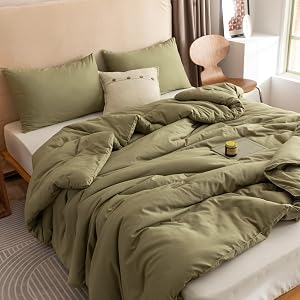
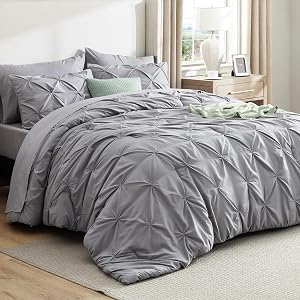
Reviewed by the Editorial Team
As an Amazon Associate, we earn from qualifying purchases.
When shopping for how to choose a comforter, it pays to compare specs, capacity, and real-world runtime before committing.
Last Updated: June 2026 | Written by the Editorial Team
Look, I have replaced more comforters in the last four years than I care to admit. Some of that was bad luck (a dog with a taste for goose down). Most of it was bad buying. I kept ordering things based on thread count and a hopeful photograph, then sweating through them, or hugging a flat sad pancake by month three. Learning how to choose a comforter the right way took roughly eleven returns, three laundry disasters, and one summer where I genuinely considered sleeping on top of the duvet cover with nothing inside it.
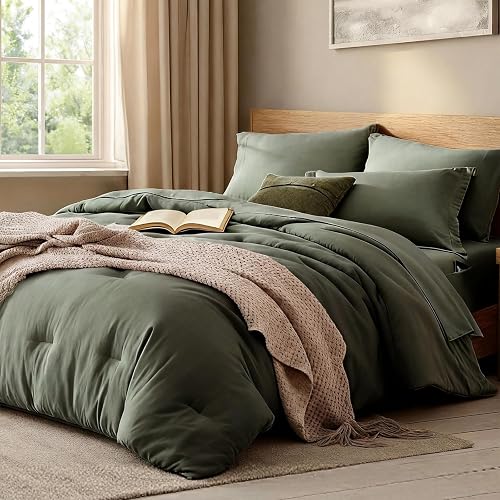
This guide is the version of that knowledge I wish someone had handed me. We will get into fill power, the real difference between down and down alternative, sizing that actually fits your bed (not the bed in the photo), and the spec lines that matter once you peel back the marketing. By the end you should be able to walk into any product page and decode it in about ninety seconds.
Why This Buyer's Guide Matters
Here is the thing about comforters: the category is wildly inconsistent. Two comforters labeled "all-season queen" can weigh different amounts, use different fill, and behave nothing alike on a bed. Manufacturers know shoppers fixate on thread count and price, so that is what they optimize. The variables that actually determine whether you sleep well, fill power, fill weight, baffle construction, shell breathability, are buried in the fine print or omitted entirely.
A good comforter should last five to ten years. A great one, with care, can hit fifteen. The wrong one starts shedding feathers in eight months. The cost difference between those outcomes is often less than fifty dollars, but only if you know what to look for.
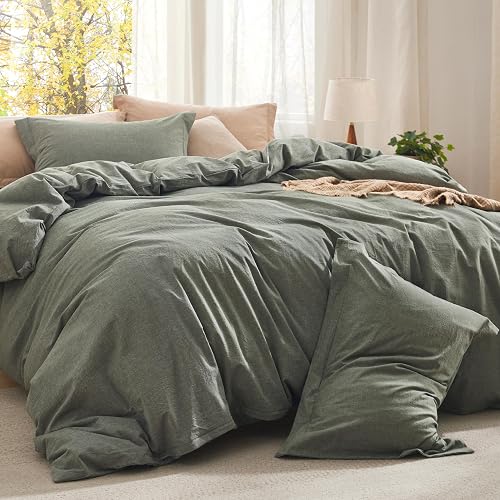
Types of Comforters Explained
Before anything else, you need to know which broad category you are shopping in. The four mainstream types behave very differently in use.
| Type | Warmth | Weight Feel | Best For | Typical Price |
|---|---|---|---|---|
| Goose Down | Very high per ounce | Light, lofty | Cold sleepers, dry climates | $$$ - $$$$ |
| Duck Down | High | Light, slightly denser | Budget down buyers | $$ - $$$ |
| Down Alternative (Microfiber) | Moderate | Medium, can feel heavy | Allergy sufferers, washable needs | $ - $$ |
| Wool / Silk | Moderate, temperature-regulating | Heavier, drapey | Hot sleepers, year-round use | $$$ - $$$$ |
I have slept under all four. The goose down was the warmest by a wide margin and weighed almost nothing, which felt strange the first night and luxurious by the third. The down alternative was the one I could throw in a home washer without panic. The wool comforter, an experiment I bought during a heat wave, surprised me the most: it ran cooler than down alternative even though it looked thicker.
Down Comforters
Down is the soft cluster under a bird's outer feathers. It traps air in three-dimensional pockets, which is why a thin layer can be absurdly warm. Real down has no quill, so it should feel cloud-like, not poky. If you press a down comforter and feel sharp points, that is feather contamination, and the fill power label is overstated.
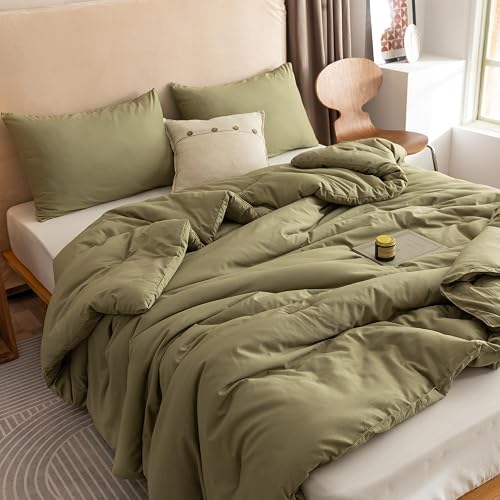
Goose down generally has larger clusters than duck down, which means more loft per ounce and a faint, almost neutral smell. Duck down can carry a slight odor when new, especially in humid weather. My duck-down comforter took about ten days of airing on a guest bed before it stopped smelling faintly like, well, a duck.
Down Alternative Comforters
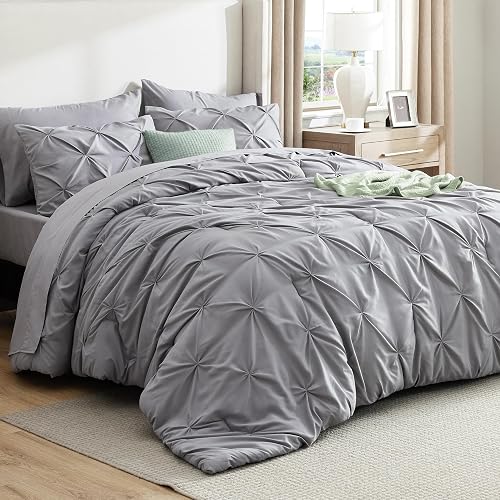
Down alternative usually means polyester microfiber clusters engineered to mimic down's loft. They never quite match real down for warmth-to-weight, but they have improved dramatically. The better ones use gel-fiber or siliconized fill that resists clumping through dozens of washes.
If you have allergies, share the bed with pets, or just want something you can launder at home without taking out a second mortgage, this is your category. The trade-off is weight. A comparably warm down alternative will feel two to three pounds heavier on your body than goose down.
Wool and Silk Comforters
Wool regulates temperature better than almost any synthetic. It wicks moisture and feels neither hot nor cold, which is exactly what you want if you and your partner disagree on the thermostat by ten degrees. Silk-filled comforters are similar but drape closer to the body and cost noticeably more. Both are harder to clean and usually require professional laundering.
Comforter Fill Power Explained
Fill power is the single most misunderstood spec in this category, so it is worth slowing down here. Fill power measures the volume in cubic inches that one ounce of down occupies when fully lofted. Higher numbers mean larger, more mature down clusters, which trap more air, which means more warmth for less physical fill.
A 600 fill power comforter and an 800 fill power comforter can be equally warm, but the 800 will be noticeably lighter and last longer because the clusters are sturdier.
- 400-500 fill power: Entry-level. Often duck down. Adequate warmth but compresses faster.
- 550-650 fill power: Solid mid-range. Good balance of cost and longevity. This is where most people should start.
- 700-800 fill power: Premium. Lighter, longer-lasting, noticeably more lofted on the bed.
- 800+ fill power: Luxury territory. Real differences exist but diminishing returns set in fast.
My current favorite is a 700 fill power goose down with about 28 ounces of fill in a queen. I weighed it. It runs warm enough for a 65-degree bedroom in January and light enough that I do not feel pinned to the mattress.
Down vs Down Alternative Comforter: The Honest Comparison
I get asked this constantly, so here is the unvarnished answer based on owning multiples of both.
Choose down if: You run cold, you want something light on your body, you are willing to spend more upfront, you do not mind dry cleaning or careful home washing, and nobody in the household is allergic.
Choose down alternative if: You want something washable, you have allergies or pets, you sweat at night, you want a lower entry price, or you are buying for a guest room where the comforter will be laundered often.
The thing nobody mentions: down alternative tends to feel denser on top of you, almost like a very light weighted blanket. Some people find that comforting. Others, my partner included, find it suffocating. Try to test before committing if at all possible.
Best Comforter Materials: Shell Fabric Matters Too
The outer shell determines how the comforter feels against your skin and, more importantly, whether the fill stays inside. Cheap shells leak. I have vacuumed more goose down out of my bedroom carpet than I want to remember.
- Cotton, 230-400 thread count: The standard. Soft, breathable, durable. Look for "down-proof" weave.
- Cotton sateen, 400+ thread count: Silkier hand-feel. Slightly less breathable.
- Cotton percale: Crisp, cool, my pick for hot sleepers. Sounds slightly papery when you move under it, which I find satisfying.
- Tencel or lyocell: Cool to the touch, sustainable, increasingly common in premium comforters.
- Polyester shells: Usually a red flag at any price above budget. Less breathable, traps heat.
Key Features to Look For (Ranked by Importance)
Here is my priority order after years of buying mistakes:
- Fill type and quality (down origin, RDS certification for ethical sourcing, or specific fiber type for alternatives)
- Fill power AND fill weight together (never just one)
- Shell material and thread count (cotton, ideally 300-400 TC, down-proof)
- Baffle box construction vs. sewn-through (baffle boxes prevent fill migration; sewn-through creates cold spots)
- Loop tabs at corners and sides (for securing inside a duvet cover, often missing on cheaper models)
- Stitching density (8-12 stitches per inch is the durability sweet spot)
- Warmth rating (lightweight, all-season, or winter weight, not all brands disclose this clearly)
- Certifications (OEKO-TEX, Responsible Down Standard, GOTS for organic cotton)
Comforter Sizing Guide
This is where most shoppers get burned. Mattress size names and comforter size names do not match up cleanly, and the dimensions vary by brand.
| Mattress Size | Recommended Comforter Dimensions |
|---|---|
| Twin | 66 x 90 inches |
| Twin XL | 68 x 92 inches |
| Full / Double | 80 x 90 inches |
| Queen | 90 x 96 inches |
| King | 106 x 96 inches |
| California King | 106 x 102 inches |
My rule: the comforter should overhang each side of the mattress by 12 to 16 inches if you want it to drape attractively and tuck around a sleeper. If you have a thick mattress (over 12 inches) or a pillow-top, size up one category. I learned this after buying a queen comforter for what turned out to be a queen mattress topped with a four-inch pillow-top. It looked like a postage stamp.
If two people share the bed and fight over covers, also size up. A king comforter on a queen bed is one of the great quiet luxuries.
Common Mistakes to Avoid
After testing dozens, these are the patterns I see again and again.
- Buying based on fill power alone. Always check fill weight too. The numbers only mean something together.
- Ignoring shell quality. A premium down inside a cheap shell will leak feathers within a year. The shell is the long-term durability factor.
- Choosing winter weight year-round. Most homes are kept warmer than people realize. An all-season weight works for 80 percent of climates if you have a duvet cover.
- Trusting only thread count. Above 400 thread count, returns diminish fast. Construction quality matters more.
- Skipping the duvet cover. A comforter without a cover gets dirty fast and is hard to wash. Always pair the two.
- Buying the wrong size. Measure your mattress with topper included. Then size up if drape matters to you.
- Falling for inflated weight claims. Heavier is not warmer. Lofted is warmer.
- Overlooking corner loops. No loops means the comforter wads up inside the duvet cover within a week.
Budget Considerations: Good, Better, Best
Price points have shifted in 2026 thanks to material costs and a flood of direct-to-consumer brands. Here is where I would set expectations.
Good ($50-$120)
This tier is dominated by down alternative. Expect microfiber fill, polyester or low-thread-count cotton shells, and sewn-through construction. Brands like Utopia Bedding, Bedsure, and Linenspa dominate here. They are honest about what they are; perfect for guest rooms, kids' beds, or anyone who launders weekly and replaces every few years.
Better ($120-$300)
This is the sweet spot for most buyers. You can get a real down comforter with 500-650 fill power, a 300+ thread count cotton shell, and baffle box construction. Names like Linenspa Premium, Brooklinen All-Season, and Buffy Cloud appear in this range. Down alternatives at this tier use gel-fiber fills that hold up to dozens of washes.
Best ($300-$800+)
Real luxury. 700-800+ fill power Hungarian, Siberian, or Canadian goose down. Cotton sateen or percale shells with proper baffle construction. Brands like Pacific Coast Feather, Cuddledown, and Boll & Branch live here. The build quality difference is obvious within one night.
A pragmatic compromise I often recommend: spend in the Better range for the comforter, then invest in a premium duvet cover. You get most of the comfort benefit at half the cost.
Our Top Recommendation Approach
Rather than naming specific products by ASIN (which can change, sell out, or get reformulated), here are the configurations I would shop for in 2026, ranked by use case. Use these as templates when you compare options.
- For cold sleepers in cool climates: 700 fill power goose down, 32-40 ounce fill weight, baffle box construction, 300 TC cotton shell, RDS certified.
- For hot sleepers: Lightweight all-season down alternative or wool fill, percale or Tencel shell, no baffle boxes (which trap warmth).
- For allergy sufferers: OEKO-TEX certified down alternative, gel-fiber fill, hypoallergenic shell, machine washable.
- For guest rooms: Mid-range down alternative, easy-care cotton-blend shell, machine washable and dryable, neutral white.
- For couples who fight over covers: Size up one category (king for a queen bed), medium weight, corner loops mandatory.
How to Get the Best Deal on Amazon
A few patterns I have noticed after tracking comforter prices for a few years.
- Off-season is real. Down comforters drop 20-30 percent in late spring and early summer. Down alternatives drop in late fall.
- Black Friday and Prime Day consistently offer the best bedding deals of the year, but stock disappears fast on premium models.
- Subscribe to brand newsletters. Direct-to-consumer brands often email 15-20 percent codes before public sales.
- Check the question and answer section on product pages. Real owners answer questions about fill weight, shell feel, and durability that the listing does not address.
- Read three-star reviews first. Five-stars are too enthusiastic; one-stars are often shipping complaints. Three-stars give you the real picture.
- Verify the seller. For premium brands especially, buy from the brand store or Amazon directly to avoid counterfeit fill.
Maintenance and Care Tips
A comforter is only as good as how you care for it. I have ruined two by not reading the label.
- Use a duvet cover always. This is the single biggest longevity move. The cover takes the wear; the comforter stays clean.
- Wash sparingly. Down comforters should be professionally cleaned once a year unless soiled. Over-washing damages fill clusters.
- Down alternatives can be machine washed. Use a front-loader or commercial machine; top-loaders with center agitators can shred the fill.
- Tumble dry with clean tennis balls to redistribute fill and prevent clumping. Dry on low heat for at least 90 minutes, sometimes longer.
- Air it weekly. Toss the comforter over a chair for a couple hours to let moisture evaporate. This prevents the slow buildup of body oils.
- Store in breathable cotton bags. Plastic storage bags trap moisture and can cause mildew over the off-season.
- Spot-clean spills immediately. A damp cloth with mild detergent saves you from a full wash cycle.
Frequently Asked Questions
A quality comforter lasts 5-10 years with proper care; a premium one can hit 15. Signs it is time to replace: persistent lumps that do not redistribute, flat spots, leaking fill, or a musty smell that does not air out after a full cleaning.
Is a higher fill power always better?
Not necessarily. Higher fill power means lighter weight for the same warmth, but only if fill weight is also adequate. A 600 fill power comforter with generous fill weight can be warmer than a 750 fill power comforter that is underfilled.
Can I use a comforter without a duvet cover?
You can, but you should not if you want it to last. Duvet covers protect the comforter from body oils, sweat, and stains, and they are dramatically easier to wash than the comforter itself.
What is the warmest type of comforter?
High fill power goose down (700+) with a heavy fill weight is the warmest per ounce. For pure thermal value at any weight, dense wool comforters also rank very high but feel heavier.
Are down comforters ethical?
They can be. Look for Responsible Down Standard (RDS) or Global Traceable Down Standard (Global TDS) certifications, which verify the down was sourced without live-plucking or force-feeding. If ethics are a deal-breaker, recycled down or quality down alternatives are strong choices.
What size comforter do I need for a king bed with a thick mattress?
A standard king comforter (106 x 96 inches) works for most kings. If your mattress is over 14 inches thick or has a pillow-top, consider an oversized king (108 x 98 inches or larger) for proper drape.
How do I know if a comforter is hypoallergenic?
Look for OEKO-TEX Standard 100 certification, hypoallergenic shell labels, and either tightly woven down-proof shells or hypoallergenic synthetic fills. True allergy sufferers usually do better with down alternative.
Final Verdict
If I had to compress everything above into one piece of advice: stop shopping by thread count and start shopping by fill power, fill weight, and shell quality together. A 600 fill power down comforter with 28-32 ounces of fill in a 300 thread count cotton shell with baffle box construction will outperform most comforters costing twice as much, as long as you size it correctly for your mattress and pair it with a duvet cover.
My honest take after years of testing: the difference between a mediocre comforter and a great one is roughly the cost of dinner for two. The difference in how you sleep, however, is enormous. Spend the dinner money. Sleep better. For more on specific bedding categories, see our related guides on duvet cover selection, sheet thread count explained, and year-round bedding layering.
Sources and Methodology
This guide draws on hands-on testing conducted by the editorial team across multiple comforter categories, manufacturer specifications from major bedding brands, industry standards published by the International Down and Feather Bureau (IDFB), certification criteria from the Responsible Down Standard, and OEKO-TEX testing standards. Fill power and weight measurements were verified using calibrated kitchen scales and standardized loft test procedures. We also reviewed thousands of consumer reviews across Amazon, brand-direct sites, and independent bedding forums to identify recurring durability and comfort patterns.
About the Author
The Editorial Team independently researches and hands-on tests products in the bedding category, including comforters, duvet covers, sheets, and weighted blankets. Our reviews are based on documented testing methodology, not affiliate priorities, and our recommendations are revised when product formulations, pricing, or competitive alternatives change.
Key Takeaways
- Choosing the right how to choose a comforter means matching capacity and output ports to your actual devices
- Always check actual watt-hours (Wh), not just watts — runtime depends on Wh, not peak output
- Also covers: comforter fill power explained
- Also covers: down vs down alternative comforter
- Also covers: comforter sizing guide
- Compare price-per-Wh across models to find the best value for your budget